ARMD (age related macular degeneration)
ARMD is a serious progressive condition, which can lead to severely reduced vision.
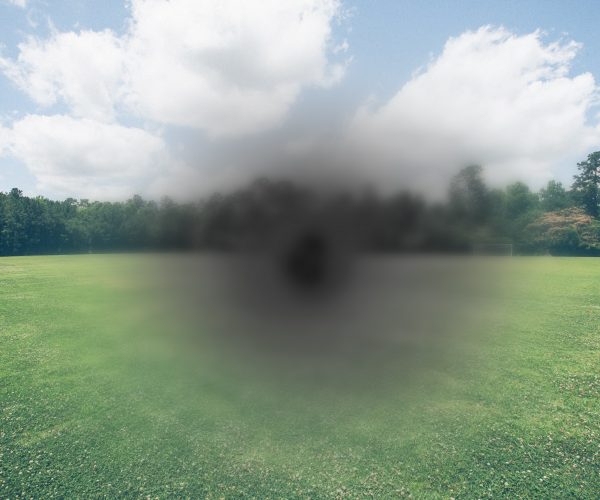
People with ARMD may notice a reduction in their central vision – reading fine print and recognising faces may be more difficult and straight lines may appear “wobbly”. If you notice this, it is important to contact your optician as soon as possible.
Known risk factors include age, smoking and a family history of the condition.
Dry AMD
This is a low progressive build-up of waste material at the back of the eye, resulting in reduced vision. Currently there is no treatment for dry AMD, although some studies have shown nutrient supplements can slow the progression of the condition. You are able to purchase nutrient supplements from any DW Roberts practice.
Wet AMD
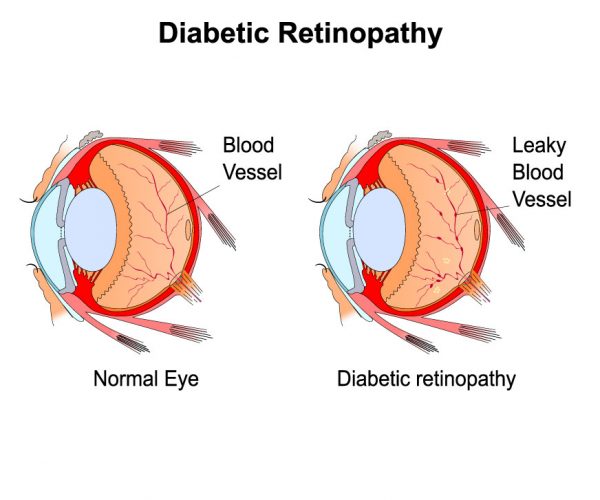
This is a less common condition but it progresses much faster and can lead to severely reduced vision in days or months. Wet AMD is caused by leakage of blood vessels at the back of the eye, which affects the central vision. There are some treatments for wet AMD, depending on the level of your vision and the progression of the disease.
People who have ARMD may notice a reduction in their central vision – reading fine print and recognising faces may be more difficult and straight lines may appear “wobbly”. If you notice this, it is important to contact your optician as soon as possible.
There have been many suggested risk factors for ARMD, but the only known risk factors are age, smoking and family history. However research shows that a healthy diet can help reduce the risk of developing ARMD by up to 40% (Moorfields NHS UK).
Cataracts
These are caused by changes to the lens of the eye. Lenses become cloudy, and this can have a negative impact on vision so it may feel that you are looking through frosted glass.
Age related cataracts normally develop slowly over a long period of time; once vision is reduced significantly it may be necessary to have surgery. For people with early cataracts and for those who do not want surgery, our opticians can advise on ways to optimise the remaining vision.
Diabetes
Diabetes is the most common cause of reduced vision in the population.
Important points for Diabetic patients:
- Have a sight test every 2 years to monitor your prescription.
- Have regular appointments at the NHS diabetic screening clinic to have retinal photographs (pictures of the back of the eye) taken.
- If you notice any sudden changes in your vision, it is vital that you contact your optician to ask their advice.
If diabetes is poorly controlled, or not monitored sufficiently it can have a negative impact on vision. Visual changes may include:
- Changes in the prescription due to varying sugar levels
- The growth of new vessels at the back of the eye. These vessels may break and bleed into the eye, reducing the vision and may need laser surgery to prevent the growth of further vessels.
- Patchy vision, where parts of the vision seem clearer than others. This may vary from hour to hour, or day to day.
Retinal photography is recommended for diabetes sufferers along with those suffering from high blood pressure, headaches, flashing lights, floaters, glaucoma, AMD(macular degeneration), and those with a high prescription.
Dry Eye Syndrome
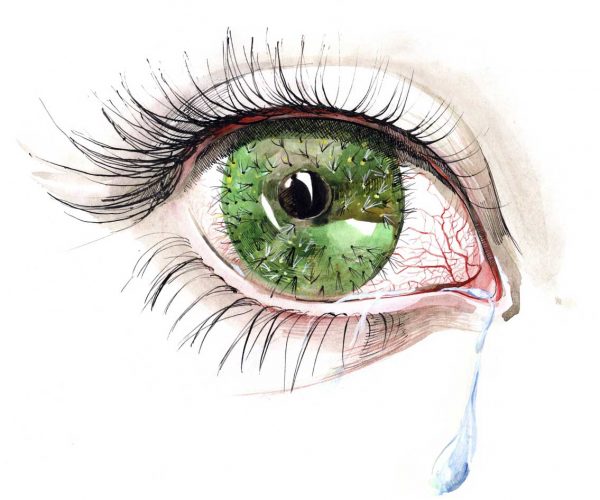
Dry Eye Syndrome is a very common eye condition, which can cause irritation and discomfort. It can occur due to an insufficiency of quantity of tears, a reduction in the quality of tears or a combination of both those factors.
Most commonly, the symptoms of Dry Eye include:
- Dry gritty sensation
- Redness and soreness
- Stinging and itchy sensation
- Sensitivity to light
- Blurring of vision
- Contact Lens discomfort
- Tiredness
- Watering eyes (although this seems to be an odd symptom for dry eye syndrome, often, if the tear film is unstable you will produce more tears than usual, but they will not stay in the eye causing your eyes to water).
- Smeary vision
There are many things that can contribute to Dry Eye Syndrome including the following factors:
- Increasing age
- Contact Lens wear
- Eye or eyelid infection or inflammation such as Blepharitis
- Certain medications (including birth control)
- Skin conditions
- Hormonal imbalances
- Diseases such as Rheumatoid Arthritis and diabetes
- Prolonged computer use
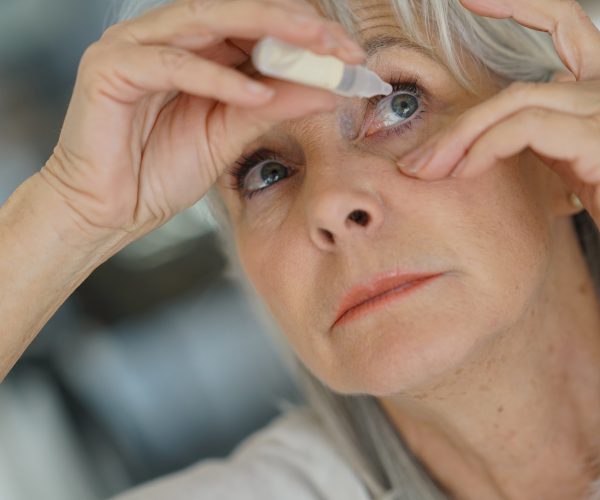
- Preservatives in eye drops
If you are experiencing symptoms of Dry Eye Syndrome, DW Roberts can provide a dedicated, specialist Dry Eye Assessment in order to assess the extent of your dry eye condition and to formulate an effective treatment plan. Our staff have undertaken specialist training in the diagnosis and treatment of Dry Eye. The assessment includes tear quantity/quality testing, examination of the front of the eyelids, a written treatment plan and advice for obtaining the maximum benefit from using the prescribed treatments at home.
Please contact your nearest branch of DW Roberts to book a Dry Eye Assessment or to obtain further information. The Dry Eye Clinic is a chargeable private service not covered by the NHS.
Glaucoma
Glaucoma is a progressive eye condition caused by changes taking place at the back of the eye. This can result in severely reduced vision if left untreated. Anybody with a family history of glaucoma should have sight tests annually.
If your optician suspects glaucoma you will be referred to the hospital for more screening tests. If you are diagnosed with glaucoma, you may be given drops to control the pressure. In some cases surgery may be required.
Retinal Detachment
A retinal detachment is not as common as the conditions mentioned above . The retina is a layer at the back of the eye that receives light to form an image in the brain. In certain instances the retina can become dislodged, which can result in severe vision loss in that eye. If you have, or are thought to be at risk of having a retinal detachment, you will be referred to hospital immediately.
Symptoms to be concerned about:
- Sudden onset of flashing lights and floaters (little black specs in your vision).
- A curtain or vale coming across your vision, or if you feel you have lost part of your visual field.
- A sudden painless loss of vision, in one eye.
If you have any of these symptoms please contact your optician urgently. If you are not able to contact your optician you should contact your GP or go straight to A&E.
How Age Affects Eyesight
Young adults
We advise regular eye tests for children and young adults. Lens prescription changes may occur at different stages in their physical development.
Pregnancy and the eye
Pregnancy may result in temporary prescription changes and/ or discomfort for contact lens patients.
Over 40s
When you reach your 40s natural changes begin to occur within the eye. These include Presbyopia (a reduced ability to focus at close range). Symptoms include:
- Difficulty reading small print.
- Difficulty changing focus, when looking from a distant object to a near object.
- The need to hold print further away to read it clearly.
These natural changes can be managed with the use of reading glasses, bifocal lenses or varifocals for existing spectacle wearers.
Dry Eye
As the eyes age there is an increased risk of dry eye.
Floaters
The vitreous humour (a jelly like substance in the eye) becomes more liquid with age. Part of the vitreous may break off, causing shadow like images (floaters). Some people describe these black specs as little flies or spiders in their vision.
Many people experience these natural changes. However if many floaters appear and you experience flashing lights, or a decrease in vision you should treat this seriously and contact an optician or go to A&E straight away as these could be symptoms of retinal detachment.
Over 60s
The rate of change in the eye varies with each individual. Beyond the age of 60 your vision may deteriorate due to degenerative changes that happen within the eye or decreased transparency of the surfaces of the eye. Changes within the eye and conditions more prevalent in people over 60 include:
- Cataracts
- Age Related Macular Degeneration
- Reduced contrast sensitivity: for example it may be more difficult to read black text on a grey background than it is to read black text on a white background.
Over the age of 60 once presbyopia has occurred, people frequently need a different glasses prescription for reading and computer use. This issue can be resolved with a pair of varifocal glasses.

Eyesight and diet
A healthy diet is crucial to maintaining good eye health and a healthy lifestyle. Research shows that eating certain food types may reduce the chances of developing certain eye conditions such as AMD. Blueberries, grapes, avocados, wholegrains, green leafy vegetables such as kale and spinach, and oily fish are just some of the beneficial foods. Taking regular exercise and moderating alcohol consumption also have a positive effect on eye health as well as keeping you feeling good overall.
There are various nutrients that have been suggested can help maintain the health of your eyes:
- Vitamin A, C and E help with resistance to free radicals.
- Omega 3 helps with the regeneration of the cells of the retina at the back of the eye.
- Lutein, Zeaxanthin and Beta carotene are carotenoids that help prevent blue light damaging the eye.
- Zinc helps prevent degeneration of the back of the eye.
These nutrients/antioxidants are thought to help protect the body from damage to the tissues within the eye and the rest of the body. Most of these nutrients are sold as supplements and are available from us here at DW Roberts.